Why Silk?
Hear from people just like you
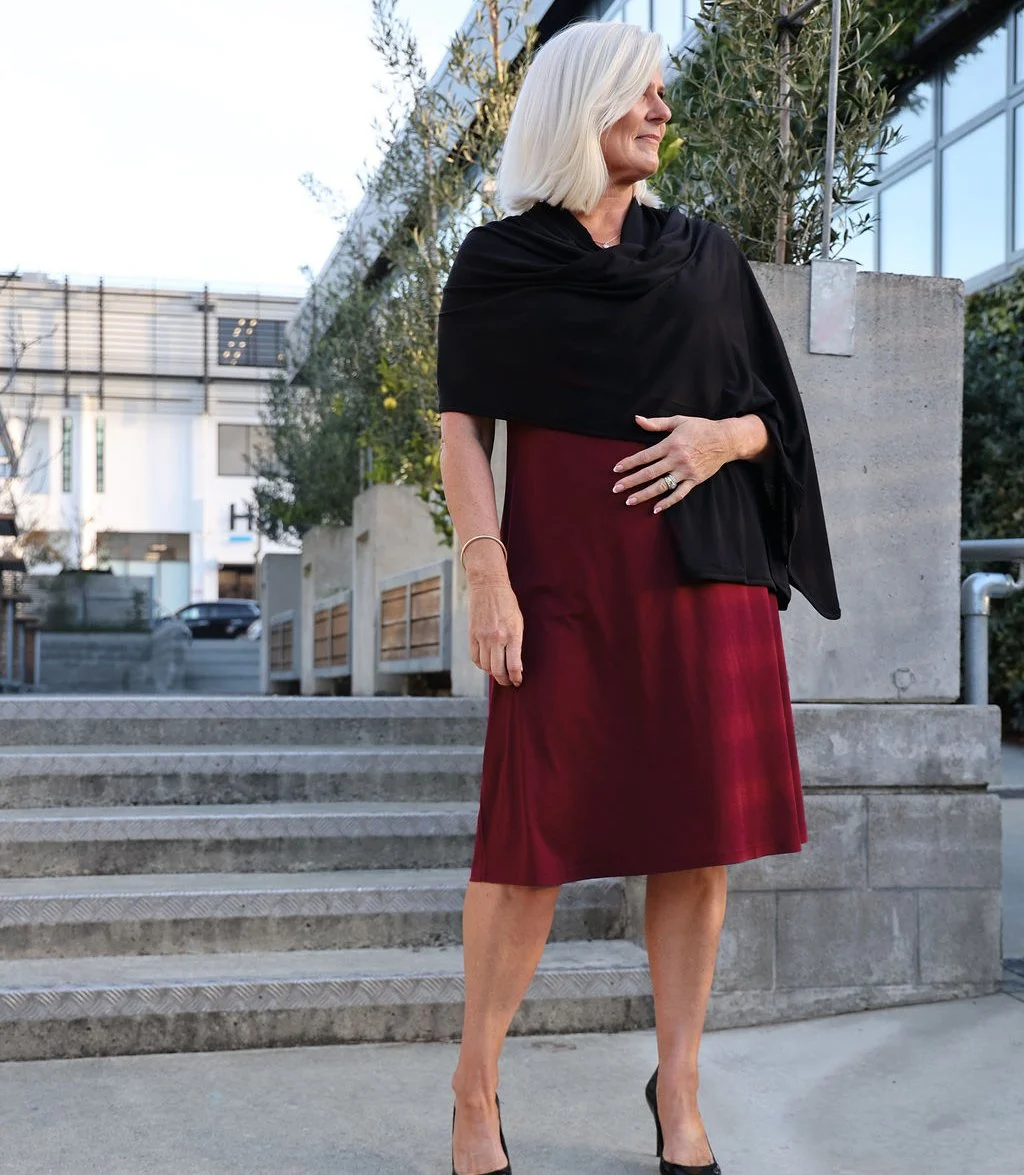
Best travel wear
I bought this for an overseas holiday travelling through hot and cold areas. The absolute best, light weight, rolls up easily and creases drop out. Also have leg liners and have worn them as leggings and pjs. I wish I had more SilkLiving clothing. I love the fabric.
– Sue on the Silkspun Longline Cardigan
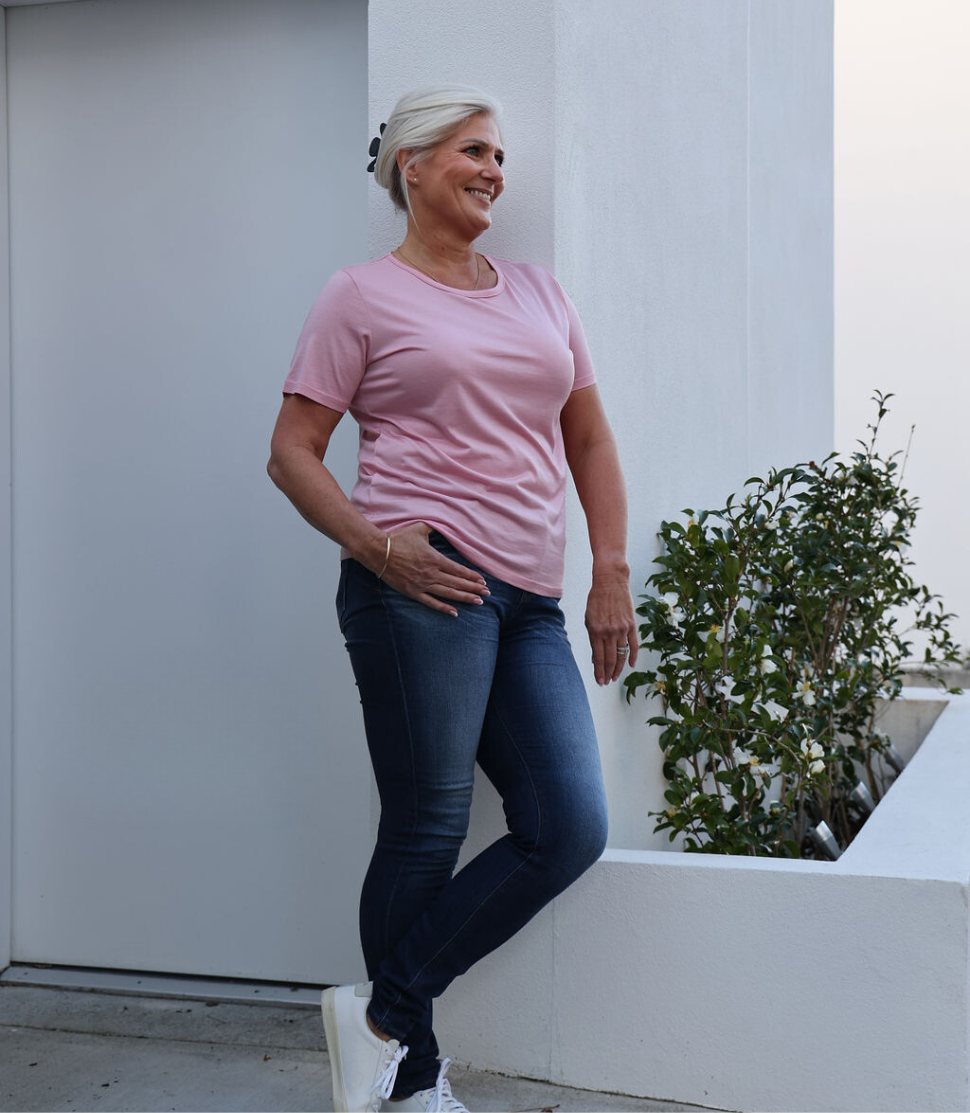
Only tee I ever wear
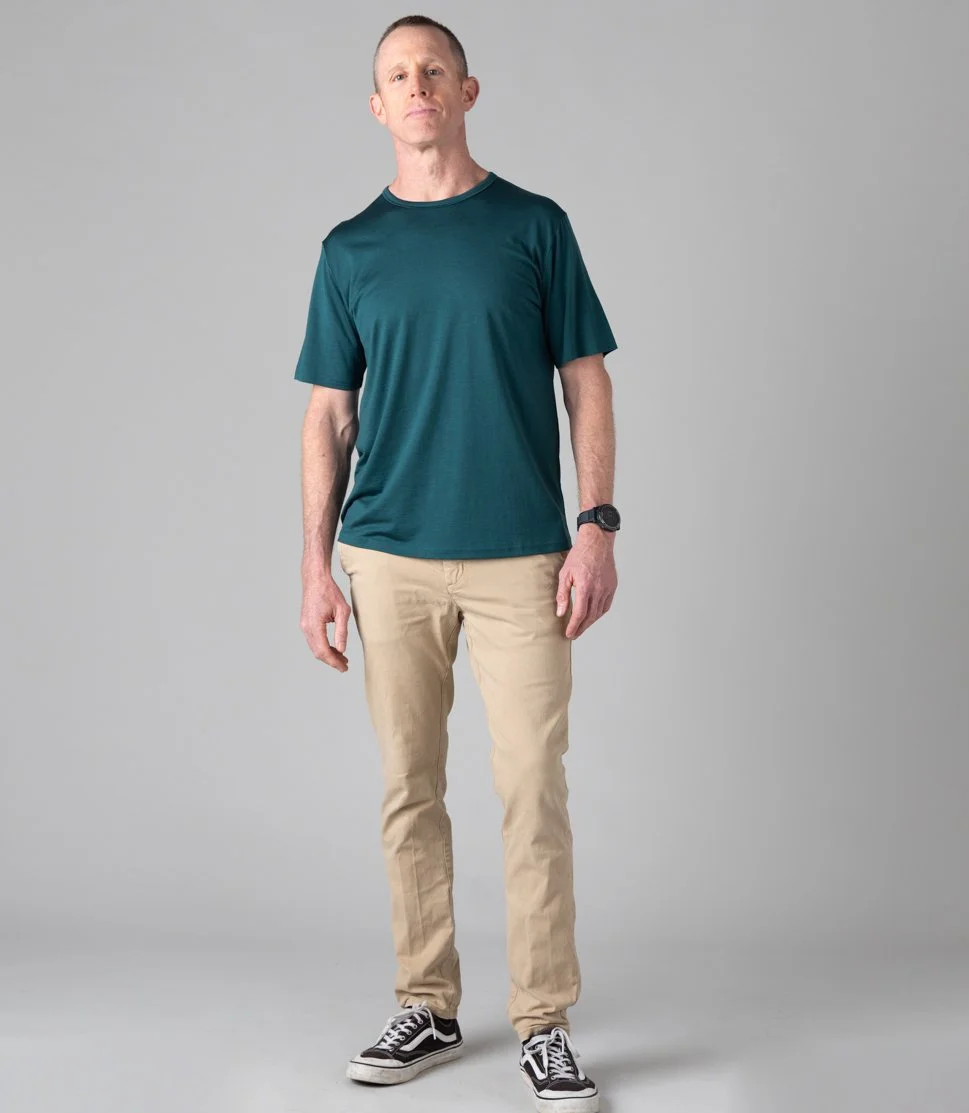
I bought my first SilkLiving t-shirt before going to hike in Tasmania. I got advice that it would stay warm even wet (unlike cotton) and it would not stink (as synthetics). Since then, I do not wear any other t-shirt, period. It lasts for over 5 years until it starts to tear. It looks good all the way. It is the most comfortable fabric I ever experienced, whether I'm using it under my business shirt or my pyjamas. Summer or winter.
– Daniel on Puresilk Short Sleeve Crew
My favourite piece of exercise gear
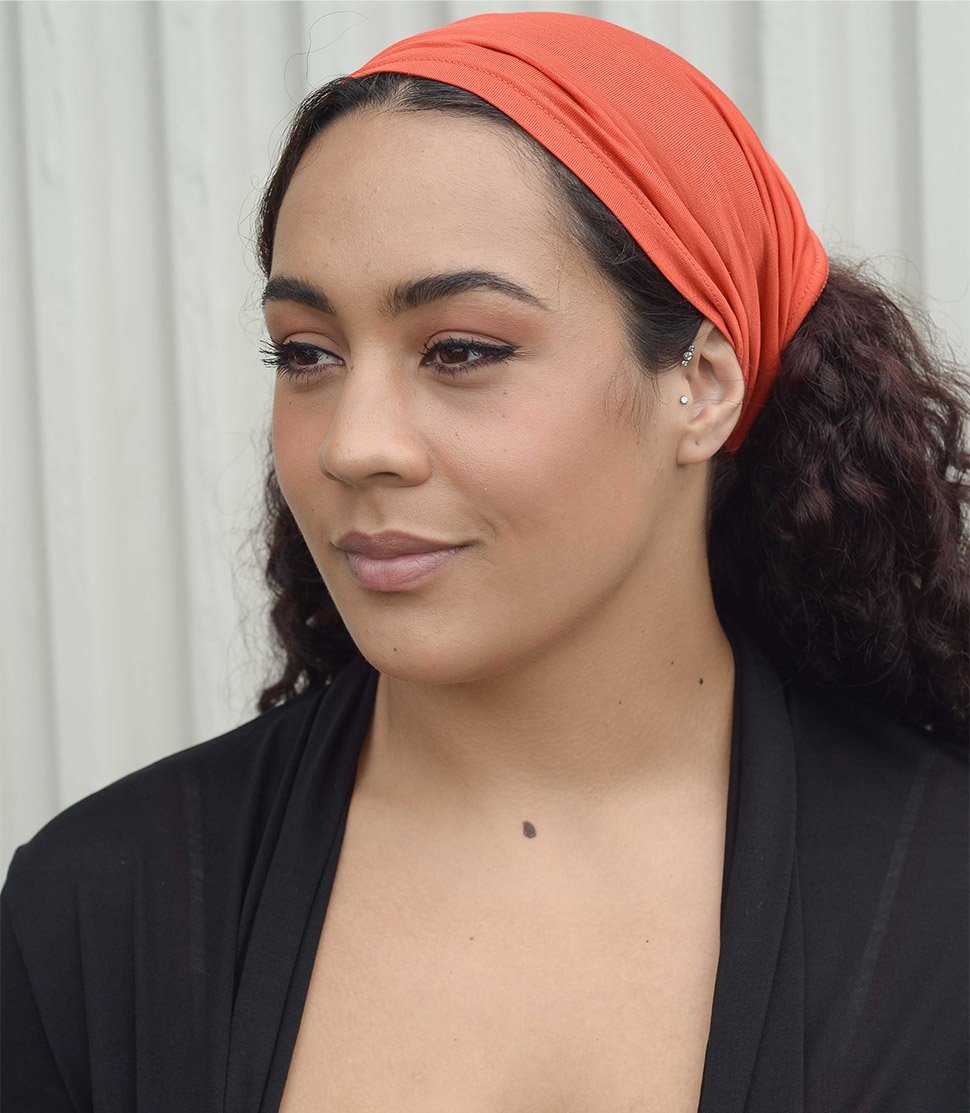
I love the headwarmer! I use it over my ears on walks and bike rides. Fits under my bike helmet, I don't overheat when walking and biking. Protects my ears from cold winds and the frost.
– Rachel on the Silkspun Headwarmer
Our Story
A SILKBODY AND SILKLIVING GARMENT BEGINS WITH A TINY SILK CATERPILLAR
This fussy eater only eats freshly picked Mulberry leaves. The silkworm spins a cocoon with a single thread as long as thirty city blocks. Up to 600 cocoons are unwound to be made into a single SilkLiving garment.
DESIGNED IN NEW ZEALAND FROM AN ANCIENT FIBRE
Silk was first discovered in China 5000 years ago.
The secret of silk was closely guarded for thousands of years. Legend has it that two monks were sent by Rome to smuggle back silkworm eggs in their hollow canes, and so the secret of silk was revealed.
2000 years later, Silkbody and SilkLiving reveals the forgotten secret once more…
In 2002 Dunedin father and daughter team David and Emily Cooper released their range of natural silk clothing in New Zealand. Emily designed the range shortly after completing a degree in Clothing and Textile Science at the University of Otago in Dunedin.
With a knowledge of the performance properties of silk and the potential of this amazing fibre, Emily set about designing a range of clothing that embodied the traditional luxury of silk within high performance garments for everyday, sport and travel.
Silkbody and SilkLiving are now owned by Laurian Godwin-George.
Laurian Godwin-George, Owner since 2018
“Silk has captured our imagination, as it did civilisations before us. At SilkLiving we are passionate about developing silk clothing for a new generation. In today’s world of petrochemical dependence, we believe it’s important to be able to wear clothing that’s completely natural. Each SilkLiving garment carries the story of its evolution - from the finest fibre spun by the tiny silk caterpillar, to the incredibly lightweight, luxurious finished garment. Once you discover Silkbody clothing from SilkLiving, you won’t want to wear anything else against your skin.”

Sustainablity
Environmental issues are at the forefront of Silkbody’s operations. By its nature, sericulture (silk production) is earth-friendly. The mulberry leaves are a renewable and sustainable crop as the trees produce year after year. They are replaced after 8 years, after which they are not such vigorous growers and the leaves are not so tasty. No pesticides can be used on the mulberry trees. The silkworms themselves demand the purest and best quality leaves as their food.
Silk fibres are highly absorptive and are easily dyed. We do not add any treatments to improve ant-static, flame retardance, wash-and-wear or anti-bacterial properties because silk is already naturally endowed with these properties. Silk is also biodegradable and will decompose easily in landfills.
The wool used in Silkbody fabrics is fine merino, sourced from north China where they do not practice mulesing of sheep. The cotton used is also sourced from China.
The factories where Silkbody is made are required to meet international standards. All factories are compliant with the International Organisation for Standardization standard for quality (ISO9002). The garment factory also complies with the European Business and Social Compliance Initiative (BSCI), a platform for the improvement of social compliance in the supply chain of commerce.
The BSCI is based on the labour standards of the International Labour Organization (ILO) and other important international regulations like the UN Charter for Human Rights, as well as on national regulations. The Initiative aims at continuously improving the social performance of suppliers, thus sustainably enhancing working conditions in factories worldwide.
Social and ethical standards are maintained in all factories. Employees are paid reasonable wages and Silkbody management personally visit the factories regularly to ensure standards are being met.
Silkbody store display stands are made from environmentally-friendly materials such as recycled wood, natural paints and waxes.
Box packaging is made of recycled cardboard and printed material is printed on paper from sustainable forests using biodegradable inks.
A return and reuse system is offered to NZ retailers, who are able to return garment packaging to Silkbody for re-use or recycling with a refund incentive per box.
At head office all office cardboard and paper is recycled or re-used. Through the Waste Exchange program run by the local council, Silkbody donates excess packaging waste, such as cardboard, tissue paper and plastic bags to community organisations, schools and kindergartens for use in projects and teaching.
Where possible we employ local and national businesses for a range of services such as logistics, packaging, printing and communications.
The Lookbook
“Once you discover Silkbody clothing from SilkLiving,
you won’t want to wear anything else against to your skin.”
Delivery worldwide. Free shipping available.