

Sustainablity


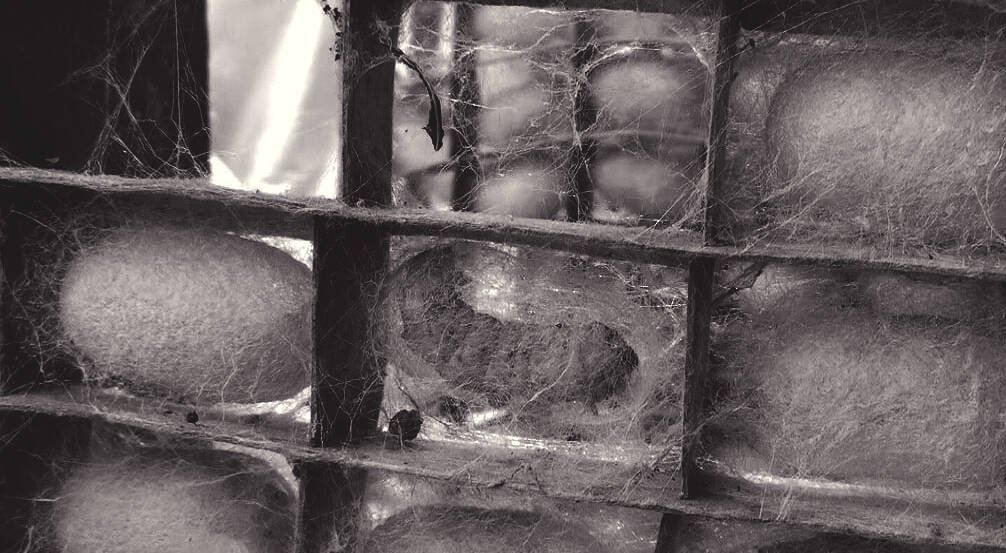

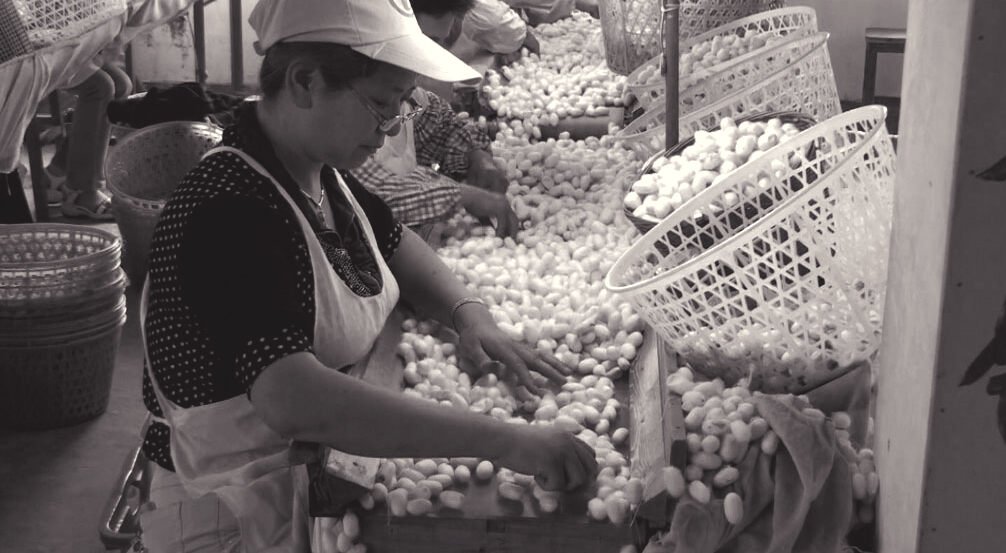


Environmental responsibility is central to Silkbody and SilkLiving. Sericulture (silk production) is, by nature, earth-friendly: mulberry trees provide a renewable, high quality food source for silkworms and ensure no pesticides can be used.
Silk fibres are naturally absorbent, easy to dye, biodegradable, and has natural anti-static, flame-resistant and antibacterial properties, so no additional chemical treatments are needed. This makes our products biodegradable and easily decomposable in landfills and in home composts.
Our cotton and fine merino wool is sourced from northern China, where mulesing is not practised.
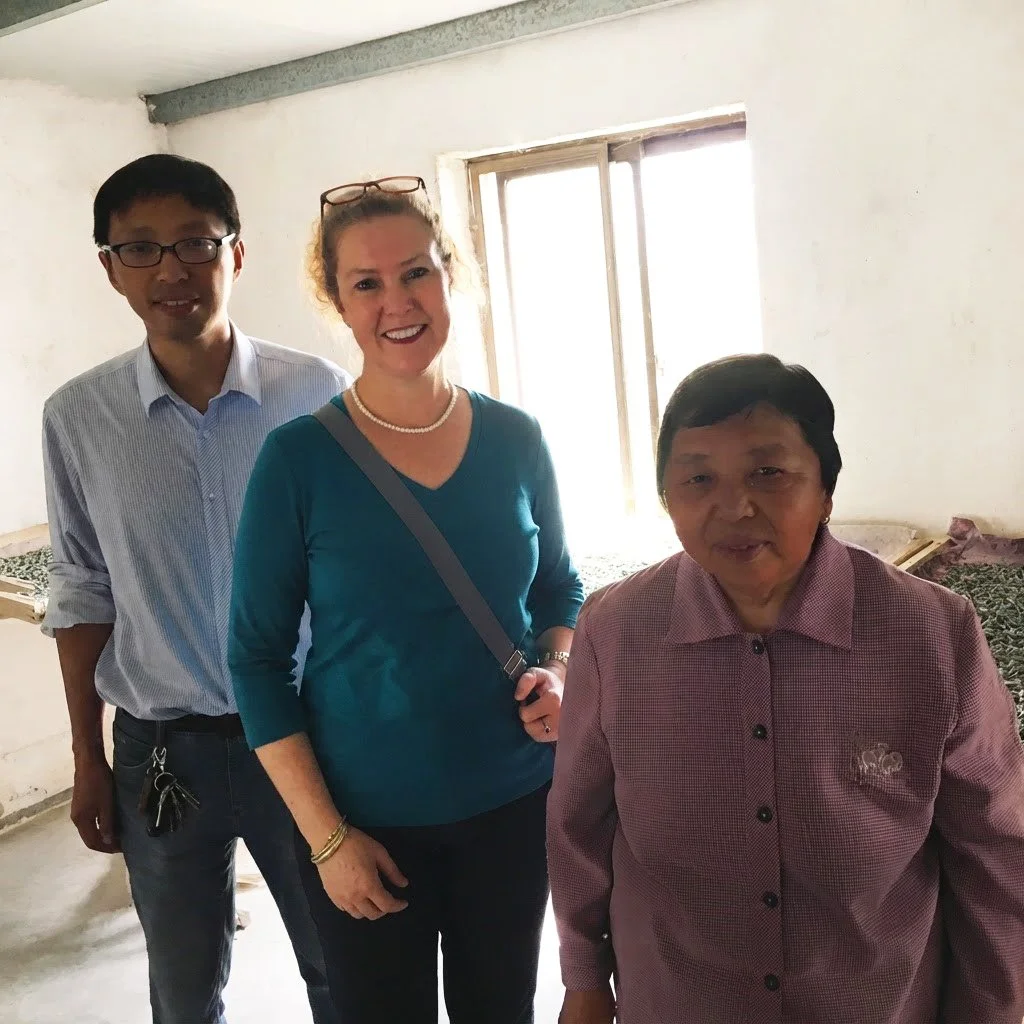
The factories that transform the cocoons into beautiful, affordable products are required to meet international standards for social compliance in the supply chain of commerce. We maintain high social and ethical standards across our factories. Employees are paid fair wages, and SilkLiving management regularly visits to ensure these standards are upheld. Once our garments are ready, they are sent to New Zealand via boat to save on Carbon emissions.
As a small family-run business, Silkbody and SilkLiving are proud to support and work with other small family businesses.
Our attention to sustainable detail carries through to our SilkLiving store. Our gift boxes are made of recycled cardboard and our branded tissue paper is sourced from sustainable companies who use recycled paper, making them perfect for decomposing at home. Any off-cuts of our luxury fabric are also used to create our accessories (like the Silkspun Scrunchies) to minimise waste as much as possible.
A return and reuse system is offered to NZ retailers, who are able to return garment packaging to SilkLiving for re-use or recycling with a refund incentive per box.
Office cardboard and paper is recycled or re-used. Through the Waste Exchange program run by the local council, SilkLiving donates excess packaging waste, such as cardboard, tissue paper and plastic bags to community organisations, schools and kindergartens for use in projects and teaching.
Where possible we employ local and national businesses for a range of services such as logistics, packaging, printing and communications.